A sermon preached at the Eucharist 1st September on honour and showing honour. The text were: Proverbs 25:6-7; Hebrews 13:1-8, 15-16; Luke 14: 1, 7-14
Channel Four’s Come Dine With Me is still running after fifteen years.
It may be one of your guilty TV pleasures, but if you’re not familiar with the format, it’s quite simple. Over the course of a week, five amateur cooks each host a dinner party; whilst also being the guests invited to enjoy - and rate - the menus and entertainment offered in the homes of their competitors.

With a £1000 cash prize at stake, the current tag line is pretty spot on: ‘The knives (and forks) are out as strangers compete to be crowned top dinner party host’. Part of what makes the show compelling is the voiceover provided by the comedian Dave Lamb which veers from sarcasm to curt observation.
Rachel Bloomsdale the Executive Producer believes that it’s very reflective of what it is to be British because of the humour running through it - and what she describes as an obsession ‘with status and class and who’s better than who and who’s got what’.
A range of tactics get deployed: simplicity, complexity, novelty and controversy. The worst thing, she says, ‘is when contestants say they’re going to be better than everyone else. Even if they do a brilliant dinner, they’ll still lose points because of the way they behaved. Nobody likes a show-off’.
Whether we’re a guest or a host, there are conscious of points of ettiequte or custom. Debretts states that social rank may still be deemed to be of ‘utmost importance’ whilst conceding that the nature of the occasions should offer ‘indications as to the relative significance of guests’. Age, professional, charity representation or local connections might be ‘determining factors’.
Wikihow might take a more informal approach to preparing to host a dinner; but even so when it comes to guests of honour - be it a boss or elderly relative - there are rules about sitting at the right or the left.
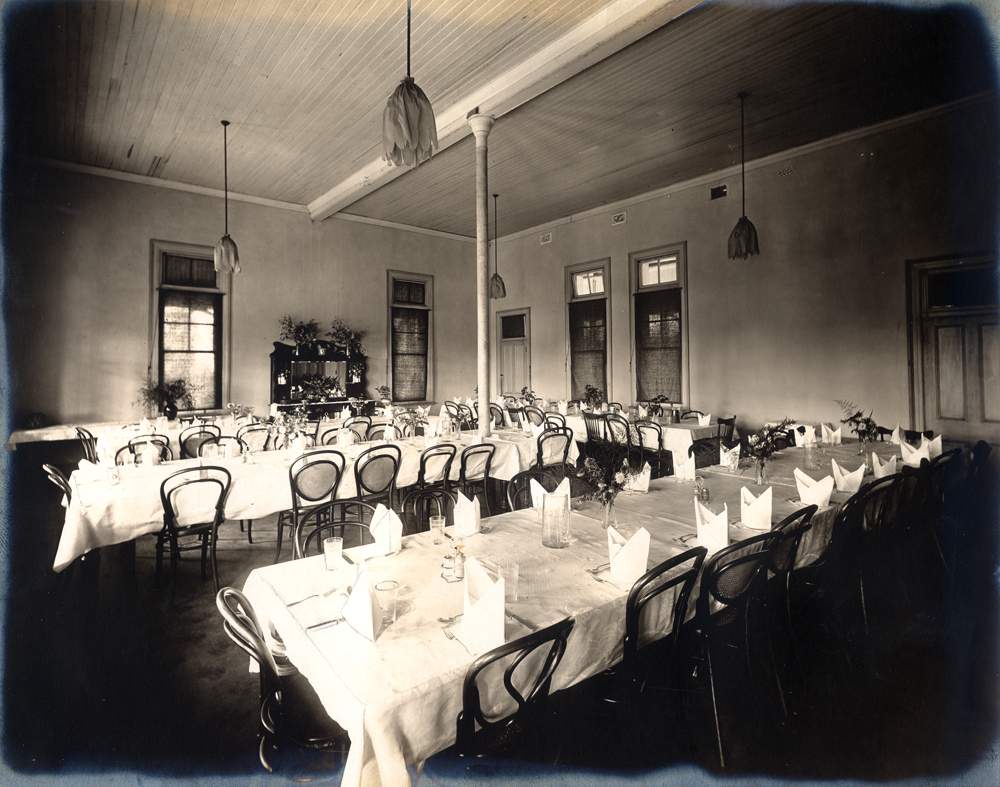
The scene described in today’s Gospel is recognisable: walk into any dining room, wedding reception or social function and we’ll pick up on those signifiers of status, honour or importance.
Perhaps there’s a top table; or chairs draped with scarves to save a space. At school, do the popular or sporty people sit together? Do we notice those sitting alone? Perhaps you’ve bene asked to move - or stood scanning the room for a friendly face?
Luke tells us that Jesus is being watched closely; but he’s also the one who notices.
He decodes what’s going on around the table.
There is something about human nature that can be magpie-like about the desire for honour or status. This desire for social capital is perhaps a twin to the desire for wealth.
I wonder what Jesus make on the impact of the digital world on our social interactions: the sharing of meals on Instagram; the habit of leaving our phone on the table when we eat.
Jesus’ teaching is an invitation to both humility and generosity. He invites us to follow his example in giving our full attention to the people we’re with, irrespective of who they are or what they do.
Jesus was being watched; and he watches what happened.
People of importance and privilege could afford to rock up fashionably late before using their confidence and honoured status to claim ‘their place’.

One the other hand, if you arrived early or on time, you might want want to find a good seat. You might possibly end up in the best seat - knowing there was a risk of immense social awkwardness or embarrassment should a more honoured guest arrive.
Jesus draws on the ancient wisdom of Proverbs which is encapsulated in the short saying we have heard this morning. The story he tells isn’t simply a way to navigate the social system - i.e. chose the worst seat to get elevated to the best.
No, this isn’t game-playing.
He calls out the negative consequences of self-seeking; of the metric of honour and disgrace. Instead he invites us to use our imaginations to think about how we might live well together.
Living together with kindness and generosity.
If we are less anxious about where we sit or whose company we keep, if we stop trying to exalt ourselves, might we make space for others?
In being humble ourselves, might we give dignity others and allow them to flourish?
As we celebrate the achievements of our young people in exam seasons, we can also help them to see that pursuing their subjects, passions and careers is not about seeking honour for its own sake.
Rather we are to honour others - their difference and their brilliance; their vulnerabilities and their foibles. Part of the gift of community we can offer is the welcome we offer.
There is no place for humiliation or exclusion based on age, gender, social status, race, sexuality or ability.
In the places where we live and work we can discern who is regarded with honour or who is looked down upon - and we can dare to do things differently.
Part of the calling of the church is do build social capital: we are a place where all can be held in equal honour and dignity.
This is good news not just for us, but for our world.
The meal that we share together is a participation in the life of Christ; here our hearts are changed. By the power of the Spirit, we are healed of our desire of status. By God’s gracious intervention we know ourselves as beloved. Here the true host bids us sit and eat.
The nearness of God in broken bread reverses normal expectations of social status. We are in possession of dignity and honour as children of God; as children of God, our hearts our enlarged to show empathy and generosity, compassion and service - enables us to contribute to the wider society.
Jesus invites us to break cycles of social reciprocity for a widening circle of blessing where the honoured honour others. Our Scriptures are remind us about God’s preferential treatment of the stranger and widow, orphan and poor.
And all who receive grace and love in this way are liberated to extend hospitality to others, regardless of circumstances.
This is the blessing of mutual love.
This is the possibility of entertaining angels unawares.
This is a human relatedness that identifies with the depths of isolation and pain; and the delights of intimacy and relationship.
This is honour which flows from contentment.
It is dignity which flows from praise of God not love of money.
As Hebrews puts it: Do not neglect to do good and to share what you have.
It’s a society where many are lonely or live alone; where inequality is increasing and many are fearful; where there are flourishing enterprises, vibrant arts and new discoveries; where we need investment in housing, health, social care and education; where Brexit has revealed divisions and challenges.
We have our part to play in shaping a vision for our national life which cultivates a sense of being in community; where all can be valued and contribute. Where every seat at the proverbial table is a seat of honour. You can be a sign of hope and generosity. In the power of the Spirit, you share the love of God revealed in Jesus.

Our Archbishop has invited us to reimagine Britain on foundations of hope. He says: ’the people of God are called to be a blessing to those places where they live. Obedience to God is seen in imitation of God, and those in love for those in the world around and in care for the concerns of God: the poor, the weak, and the creation. Most of all… a people of hope, of faith and of love for one another, for neighbour and even for enemy’.
To live God’s Kingdom in our fractured Kingdom means abandoning seeking worldly status.
We are to open our hearts to the self-giving love of Christ.
Let’s be generous, hospitable and humble. Let’s honour others.
© Julie Gittoes 2019