Showing posts with label forgiveness. Show all posts

Sunday, 28 July 2024

A whole lotta love

 Easter 7, 12 May: Sidney Sussex: Ezekiel 36: 24-8 and  John 17:6-19


‘A whole lotta love gone bad’: so runs the headline for The Guardian’s review of “The Tortured Poets Department”. 


Taylor Swift makes capital in processing her romantic travails: unsparing, with a quiet sadness.  Details ooze through the lyrics; love lost, lessons learnt, in searing particularity.


The Guardian review of 'The Tortured Poets Department' here


The closest I’ve come to my heart exploding, she sings, is a ring taken off her middle finger and put on the one people put wedding rings on. A joke to him that wasn’t a joke to her: playful or calculating, hurt by the one she knows and decodes. 


The one she’ll forget but not forgive, who didn’t measure up in any measure of a man. Was any of it true, she asks?  How do any of us ever know? 


To be human is to love: completely and imperfectly; hearts explode and spirits break. 


We live within the circles of intimacy of households and friendships, mentors and lovers. Somehow we are banded together as we attempt to live life, its challenges, failures, successes and rhythms. 


Our heartbeats ring out the joys; they toll the rhythms of our grief. We protect ourselves, retreating to solitude; we find balm in the company of others, the safety of friends; we take risks, giving all for another not knowing how it begins or ends.


Or as Swift puts it:  I would’ve died for your sins / instead I just died inside.


Today’s second reading takes us to the heart of love, to the heart of love in the face of betrayal and death. It takes us to the heart of Jesus’ prayer. 


Having washed his disciples’ feet, the atmosphere now carries the weight of pain and promise.  In Stations of the Gospel, Rowan conveys the intensity and density of this moment:


The bowl glows in the furnace.

Inside, the beads of sweat

Spit and scatter.


We might extend it in our mind’s eye: bread crumbs on the tables, the taste of wine lingering; the salt of sweat and tears; dirty water and the gaze of eyes turned towards him, and his eyes turned heavenward. 


‘I ask’ says Jesus. 


His parting words express the longing for unity in the face of betrayal, for protection in the face of hostility, and for joy as they are sent into the world.


The disciples have shared in his life up until this point. There is still so much that could be said - and letting go in the face of death breaks human hearts. He does die for our sins, all that separates us. There is still so much that will unfold - as resurrection life restores human hearts. He does not leave us dead inside.


They cannot bear it now. But he can ask, in love, for love to sustain them in loss; for love to renew their hope; for love to establish a new community. 


As David Ford puts it in his commentary, Jesus’s desire is that the: intimacy and intensity of God’s own life opened up for wholehearted, trusting participation in the ongoing drama of being loved and loving.


We and the disciples are sent into a world which can sometimes be hostile: where trust and participation is low; where communities can be siloed or marginalised. 


Jesus prays into that reality: that they and we might be protected in that ongoing drama.  


The worship that we share as we gather around our Lord’s table - the place where bread breaks and wine is poured out. Even now, our evening songs and prayers are but a gathered interval in our scattered life. 


We will be sent out from this place - blessed as we move into the spheres of our work and family life, our networks of relationship and numerous tasks.


The gift of the word is part of what sustains us, but the sacrament too. As the text of Wood’s anthem this evening reminds us, in me manet, et ego in eo, alleluia, the one who eats and drinks dwells in God, and God in them, alleluia. 


As bread gets inside us and enlarges our hearts, as blessing rests on us to expand our imaginations. In God, the desires of every living thing are satisfied.


Our hearts are turned from self-absorption to attention to God; and onwards into concern for others. God’s self-giving love for the world revealed in Jesus Christ, continues to flow through the power of the Spirit.


Jesus prays for this sanctification - this ongoing work of the Spirit.  Holiness is the nature of God - we draw near to this refining fire of love in worship, in penitence and faith, in forgiveness and renewal, moving from pain to peace, in our gathering and being sent.


As our introit puts: Holy is the True Light - passing wonderful, lending radiance to them that endured.


The radiance of that light falls on us too - in the heat of our conflicts and loves.  We share in ways of holiness - focused on what matters most, with dedication, and persistence. In this is glory and joy: in being faithful in small things, ordinary things; doing them with great love. 


As the seventeenth century priest and poet Thomas Traherne wrote:  ‘Those Things are most Holy which are most Agreeable with God’s Glory. Whose Glory is that he is Infinit Lov’.


There are echoes here in the words of the prophet Ezekiel. In the face of separation, exile and fragmentation he focuses on God’s action: gathering, cleansing and renewing.


Restoration confronts us with the radiance of holy and refining love. To be cleansed from the consequences of rebellion against God’s ways - letting go of the idols that have supplanted the commandments of love; letting go of the corruption that has exploited and diminished others.


God promises renewal: a new heart and a new Spirit. Human will and desire will be recommitted to ways of love. A heart of stone is cold, unresponsive and lifeless; a heart of flesh beats, kindles love and sustains life. 


When Jesus prays, he asks that we too might come alive to God’s love and God’s desire for the world.


In anticipation of Pentecost, we gather in awareness of risen life, but also in prayerful waiting. We are waiting for the Holy Spirit to touch human hearts, to create something new. 


We look to an inheritance, a home of unfading splendour; but here and now, we are being guided out of a troubled past and into an unknown future. The Spirit gives space for rehabilitation and redemption - in this world and in the world to come.


For now, we are called to continue in that drama of being loved and loving. To wholeheartedly participate in the life of the world - but with the intensity of God’s life in us; life shared in the intimacy of breath and gesture; in the infinite movements of renewal and pursuit of what is just, beautiful, equitable and peaceful. 


We are restored penitents.  Our heart beats celebrate life’s joys and mark our grief. Love will sometimes go awry; we won’t always measure up.  Everyday is an attempt to live this drama of being loved and loving. Sometimes we succeed; sometimes we don’t. But we practise habits of love - human and divine. We’re lent a radiance that restores.


© Julie Gittoes 2024

Monday, 10 July 2023

Something has changed

Sunday, 9 July:  Zechariah 9:9-12, Romans 7:15-25a and Matthew 11:16-19, 25-end


Last Saturday night, resisting the compulsion to dance and sing was impossible. We knew the lyrics - most of us having belted out Disco 2000 before the turn of the millennium. This is what Pulp does for an encore. Heart-wrenching indie-Brit pop at its best; a joyous ecstatic reunion of 45,000 people standing in a field.


Jarvis Cocker’s moves were as sharp as ever, youthful even, but we’d aged too. The ballad Something Changed was tinged with sadness as he dedicated it to bassist Steve Mackey who died in March. “It's about how somebody can enter your life and really change it all” says Jarvis; and we kinda know that that’s true, and when we lose them we weep. 


It couldn’t end without Common People: perhaps the band’s best loved and most iconic song. It’s become part of our cultural fabric to such an extent that satirical social media content creator “Joe” spliced it with statements from Jacob Rees Mogg set against the refrain, I want to live like common people


The original, though, is acerbic and poignant enough - as it moves from flirtation, amusement to a brutal evocation of class divides, fear of failure and the reality of life without a safety net. Jarvis’ lyrics perhaps as poignant now as they ever were:  I said pretend you’ve got no money; she just laughed and said ‘oh you’re so funny’. I said yeah? Well I can’t see anybody else laughing. 


Today’s readings are shot through with joy and grief, comfort and challenge, weariness and rest.  With the same searing insight as a lyricist such as Jarvis, the reality of the human condition is peeled back; power games, guilt, accusations, wretchedness; the stuff of flesh and death. But we’re also given a dazzling glimpse of grace and hope - the searing light of God’s loving gaze. 


Sometimes we resist that, as Jarvis puts it in Sunrise: I used to hate the sun because it shone on everythin’ I’d done, made me feel that all I had done was overfill the ashtray of my life. And yet, we are invited to mourn the world’s grief and injustice; but we are also invited to learn to sing and dance to the new music of God’s ways with the world. 


Let’s start with Pau’s unflinching look at his life: as he considers, รก la Jarvis, everything that he had done, he does not understand his own actions. He sees the ashtray of his life - he confesses that he cannot always do what is right. 


He doesn’t mince his words by describing poor choices or making mistakes; nor does he say that it’d all be fine if he tried harder or had more will power, as he was politely declining the last piece of cake. 


He names a struggle that acts as a force on us: body and mind. Sin is in a way a short hand for those things we do which harm ourselves or others. Some of that is personal - the impatience, selfishness, prejudice or unkindness that can distort our behaviour; some of that is structural - the way wealth, greed, power and vested interests can exploit people, resources and creation.


As the American theologian and preacher Barbara Brown Taylor puts it, we need to retain the language of sin because abandoning it ‘will not make sin go away. Human beings will continue to experience alienation, deformation, damnation and death no matter what we call them. Abandoning the language will simply leave us speechless before them, and increase our denial of their presence in our lives. Ironically, it will also weaken the language of grace, since the full impact of forgiveness cannot be felt apart from the full impact of being forgiven’.


Because that's the flip side of those times when we, like Paul, feel wretched as we look at the ashtray of life - held captive by compulsions or systems. Yet, for him as for us, this is just one part of the story: there is the possibility of rescue. The sun will rise bringing new hope - comfort, life, love, forgiveness.


We can rejoice with the prophet Zechariah because God will come to us triumphant and victorious over sin. He will come with humility, in flesh of our flesh, not simply as a mentor, teacher or guide but as the one who comes to save. He comes to set us free because of a covenant, a promise of love. 


In our beauty and brokenness, in our potential and vulnerability, Jesus comes to save us: the power of the cross is to break the power of dominion - to command peace from sea to sea, to the ends of the earth, even to the depths of our hearts. 


As Jarvis puts it: life could have been very different but then, something changed.  


Thanks to God, says Paul, through Jesus our Lord. For in him, we die to sin and are made new. We are, in the language of our tradition of faith: simul iustus et peccator - simultaneously justified and sinner, sinner and saint.


Something has changed, as the lyrics continue: Do you believe that there’s someone up above? And does he have a timetable directing acts of love?

Well, yes, only this is no cupid firing arrows at random. It is the law of love of which Paul spoke; it is the sacrifice of love of Jesus which we touch, taste and see in bread and wine; it is the Spirit of love breathed into our bodies bound together in Christ’s body.


This is less a timetable and more a way of being in community which directs acts of love, helping us to see and understand what is going on. 


There will be times when we need to hear a message of repentance - literally turning back to God to seek forgiveness. There will be times when we celebrate around a common table as saints and sinners - embracing the hope and joy of God’s kingdom.


Jesus invites us along with his hearers to be wise in knowing when to sing and when to mourn. He ends this part of his teaching with the comforting invitation to find comfort and rest in him. When we are weary and overburdened, when we know we can’t make it on our own, he brings relief and solace with humility and gentleness. 


There is someone up above who directs our acts of love: the one who gives life, renewal, refreshment and rest. The one who invites us to take up a lighter yoke - one of compassion and mercy, not judgement and despair.


This is the full impact of forgiveness and being forgiven. This is hope. This is grace. This is love.


Life could have been very different; but then something has changed.


© Julie Gittoes 2023

Saturday, 27 June 2020

A is for apple

Reflections from Sunday 21 June - Trinity 2 - the texts were: Jeremiah 20: 7-13 and Matthew 10: 24-39. Thinking about the connotations of 'A is for Apple' held in Eve's hand and ours, and in the hand of Mary and Jesus reaches out to take it; and reflecting to on how we employ our freedom. 

Reflection One 

Apple: A is for apple, so goes the alphabet rhyme. Or perhaps the old wives tale: an apple a day keeps the doctor away.  Motherhood and apple pie, something good and important. 

Harvested and baked under crumble with lashings of custard; pressed into sweetness for refreshing juice; or fermented a while longer for the stronger cider.

A is for apple. It's appealing, enticing.  

Enticing to the point of seduction; to the point of temptation. 


Eve was here - Chris Gollon

Eve. Was. Here.

Eve took.

It looked so good. So healthy. So enticing. 

But this apple wasn’t pressed into sweetness; it had a bitter taste. 

A is for apple. Our tendency to take what we desire. Our human capacity to consume.

For freedom is enticing; even though we risk turning away from God and others, getting caught up in ‘stuff’. 

In the words of opening hymn we seek forgiveness for our foolish ways; asking God to breath through the heats of our desire. 


Image: unknown

We are not immune from it. The MacBook through which I see you; the iPhone from which I’m reading carries the mark of that bitten apple. It’s the signifier for our quest for knowledge; it marks out a brand. 

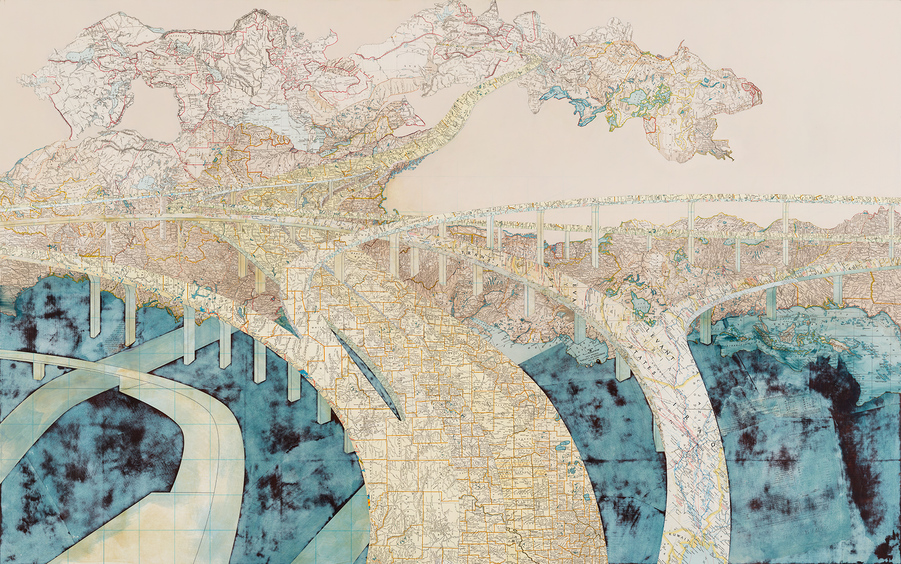
Map [Matthew Cussick]: As human beings we face countless decisions; and find ourselves pulled in multiple directions; seeking meaning, knowledge, purpose and identity. 


Chasing the Dragon - Matthew Cusick

It can feel conflictual: not so much a cross roads but a spaghetti junction of decisions and desires; fears and freedoms. 

And as we think about what we stand up for and what we call out, those desires and fears and freedoms come under pressure. We might be enticed to do the thing that’s most expedient or which makes life easier.

It can be tempting to ask: what does this do for my professional  reputation or for my popularity? Who will I offend or what will it cost?

These are the kind of questions facing Jeremiah. 


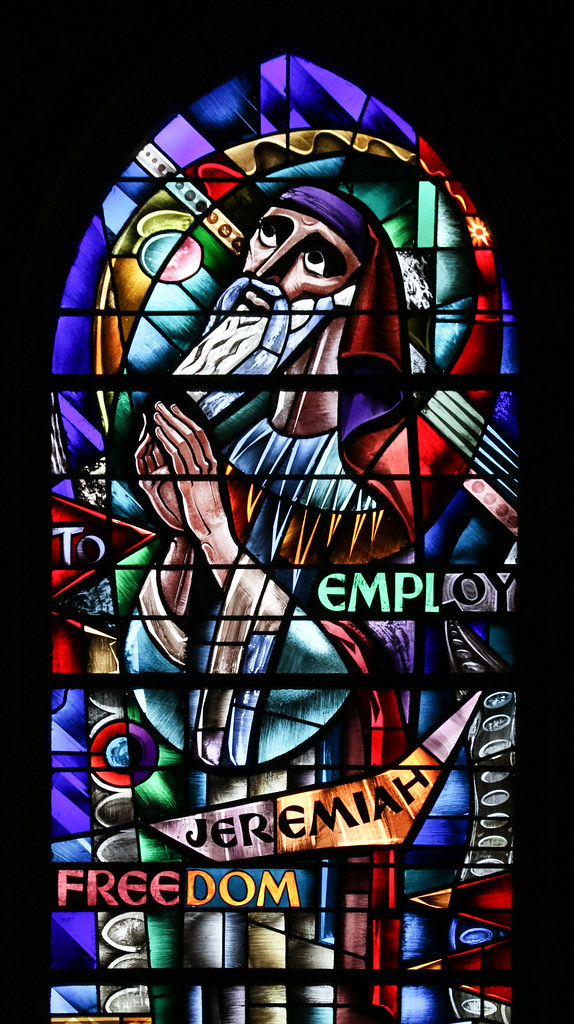
Jeremiah [San Francisco, Grace Cathedral]

We encounter him today reflecting on God’s call to be a prophet - to be one who called people back to God’s ways of love. As a prophet he exhorted God’s people to be faithful to the commandments and to make love visible in public through the pursuit of justice.

The language he uses is of being enticed and empowered by God’s call. It was compelling and he could do no other than say ‘yes’ to this work, this life of costly service.

In the words in the stained glass window from Grace Cathedral in San Francisco, he employed his freedom. He employees his freedom to serve God in a particular way. 

But it was a challenging task.  It made him a laughing stock. It was not popular. 

He was mocked for calling out the violence done through failure to do what was just, merciful and compassionate. 

He was mocked for naming the destruction caused by the refusal to obey the  commandment to love.

He spoke, cried out and shouted. 

And the very thing he loved - the word and life and love of God - became a source of derision. 

It felt as if this calling had cost him everything: influence, friends, status and reputation.

He’d employed his freedom. 

So when he’s temped to give up, the original burning conviction wells up within him. He cannot to anything else but speak up for the needed, abused and marginalised. 

And yet, when enticed by those who are watching for him to stumble, he remains steadfast.  However wearied he is, he won’t abandon this long labour of seeking what is right.

He has employed his freedom to God’s cause.


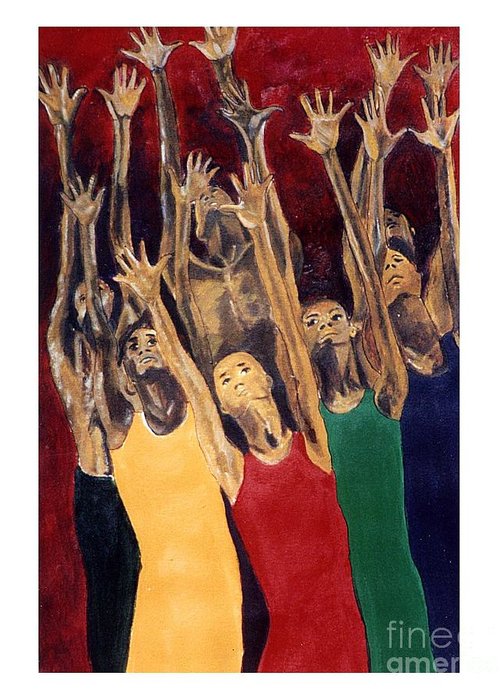
Unity of Praise - Jackie O Kelley  

Jeremiah’s moment of crisis, his grappling with the cost of his work, reveals to us something that it as the heart of today’s discomforting gospel.

It is an illusion to think that seeking God’s ways of peace means a comfortable life. 

We have each been called by name; we have employed our freedom to God’s ways.  And like Jeremiah there are times when we might waver or feel enticed to seek an easier path.

But Jeremiah reminds us, as long as the fight for what is just continues, we will somehow find peace in that struggle.

It’s not comfortable or painless: but on Jeremiah’s lips those cries for what is just turn to praise. For God will deliver the lives of the exploited and overlooked, the discriminated against and the marginalised. 

We’ve heard that song of praise: of laudamus the - we praise, bless, adore and glorify the Lord our God; and now we hear another song, which reminds us that God is among us.

God is with the broken and the weak and in the spaces in between.

Reflection Two


Staithes Rooftops - Terry Chipp

In this curious and challenge set of teaching, takes us to the heart of how we are to employ our freedom: not in competition with others for the their sake. 

Jesus takes what is whispered and invites us to share it from the roof tops. There is no zero sum game in God’s economy; we do not live out of scarcity of love but out of an abundance that calls us to seek justice.

Do we hear God’s voice cry out? Are we listening?  Do we come together with the ones without a voice, the forgotten and ignored?

In this, we are one flesh. Whatever our gender, class, race, sexuality, wealth, age or health.
We live in Christ. We are one flesh. And by the power of the Spirit, we are to listen.

To listen to what entices us, and to ask, is this the way of God?
To listen to what entices us, and ask if it names the dignity and equality of others.
To listen to what entices us, and to seek what it is a blessing for all.

We all have a share in these tasks: and for some of us, because of the stories we’ve been told, it’s a time to listen; for some of us, because of the stories we’ve been told, it’s a time to be heard.


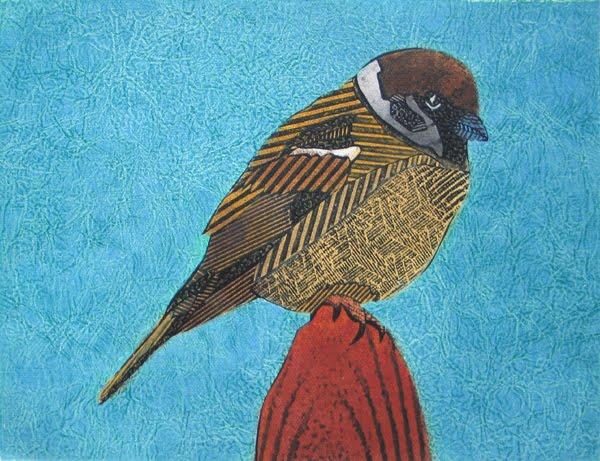
Sparrow Bonnie Murray

That process of speaking and being heard takes time. It doesn’t just happen in the public square but in our one to one relationships. 

Jesus moves us from the public realm of our rooftops; to the intrinsic value of every human life. He invites us to look upon a sparrow. To see the thing that is small and seemingly insignificant; and to know that God’s tender care for even the tiniest thing extends also to us. 

Just as the sparrow is precious, so are we: God knows the hairs of our head, the thoughts of our hearts, our cries and our songs. Dare we extend that loving regard to each other - seeing each other as who we are - with our burdens and privileges, our gifts and our needs?

And seeing each other dare we employ our freedom as members of one body, to stand against all the harmful longings of the flesh that entice us - of power used for self. 

Dare we do this, together, hearing our stories: hearing the hope and challenge, the cries and dreams.  For in this we find our peace.


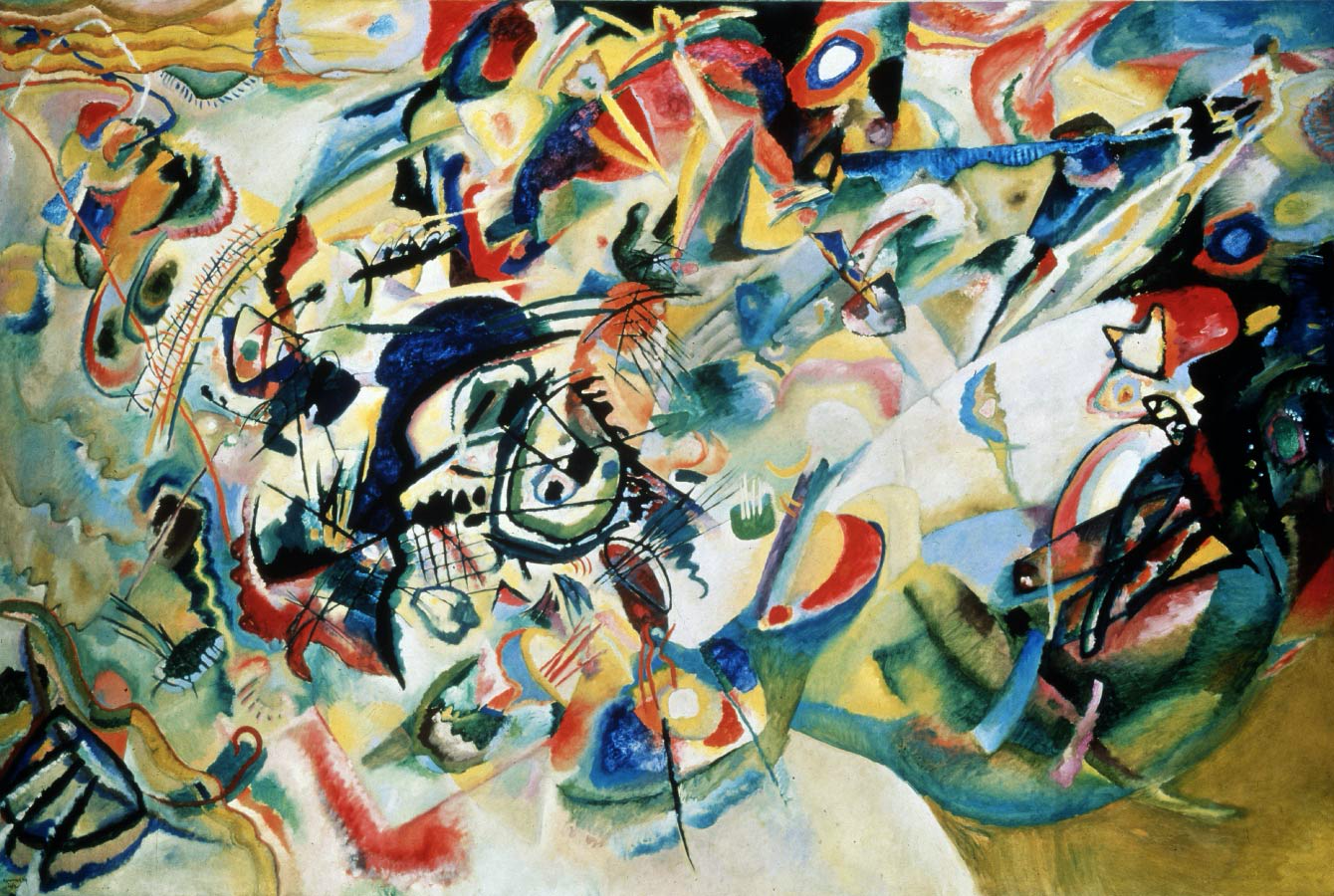
Wallsily Kandinsky - Composition VII

The language of peace that Jesus uses is full of conflict and division; it really challenges us about tour priorities. 

This image by Kandinsky is full of bold lines, and vibrant colours; it’s full of overlapping forms and shapes. We may not see it immediately, but in it are the biblical themes of the apple tasted in Eden - the moment our longings for power and knowledge enticed. It speaks of judgement - and how we use our freedom; but it also speak of resurrection and the gift of new life. 

Jesus speaks of this life that comes when we lose it for his sake, and the sake of God’s kingdom of justice and righteousness. The conflict of which he speaks is not destructive but creative. It is not bent towards destruction, but liberation.

Writing in her book Seeking God, Esther de Wall writes of the stability we find in God’s love for us; it means that we don’t run from where battles are being fought, but that rather we have to stand still where the real issues have to be face.

This way of being is based on Gospel paradox of losing life and finding it.

How do we employ our freedom - for self fulfilment or to the struggle of liberation for all?


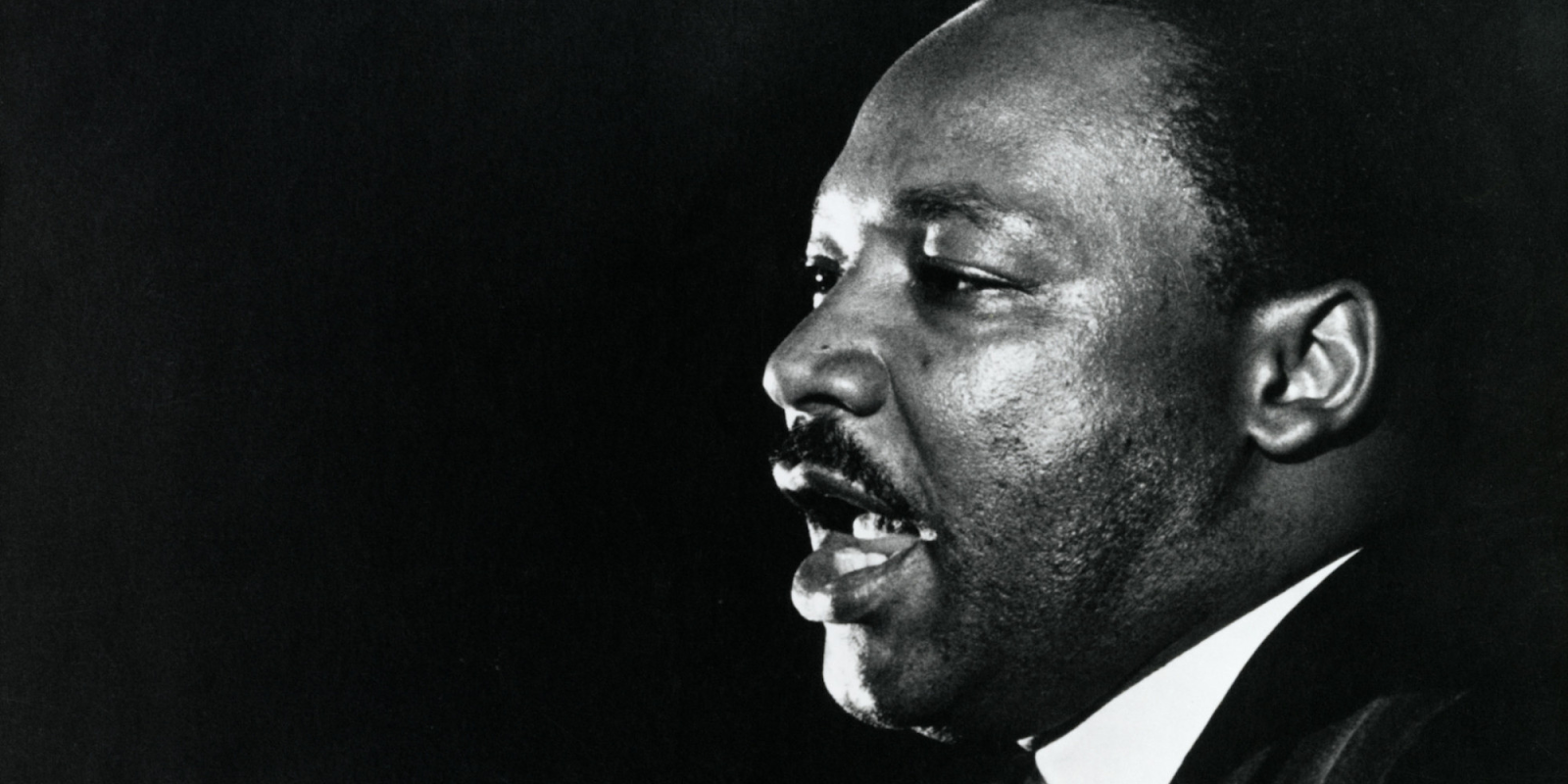
Martin Luther King -  Huffington Post

Perhaps this is evoked most powerfully - and in a way which frames the question in a practical way - by Martin Luther King. He said:  Cowardice asks the question, ‘is it safe?’ Expediency asks the question, ‘is it politic?’ Vanity asks the question, ‘is it popular?’ But conscience asks the question, ‘is it right?’ And there comes a time when one must a position that is neither safe, nor politic, nor popular, but one must take it because one’s conscience tell one that it is right.

We are called to do what is right. To listen carefully and to be willing to change; to cry out in the expectation that we will be heard; to sing a song that brings joy and hope.


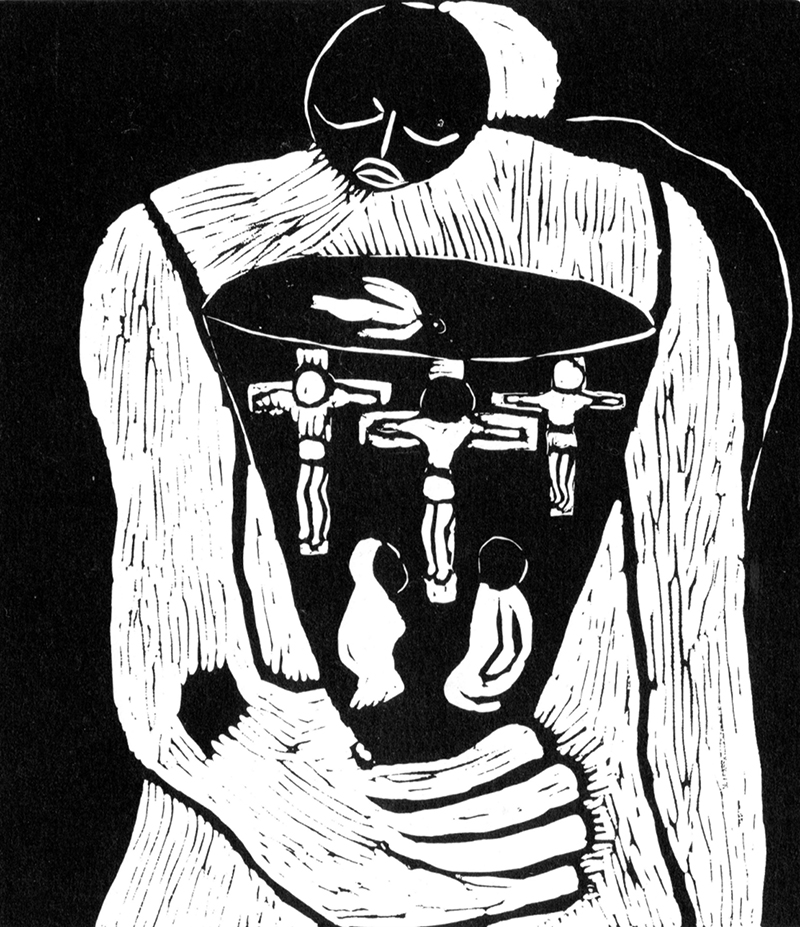
Crucifixion - Lindiwe Mvemve

We all have a role in this Kingdom of change:  

Are you a caregiver: nurture and nourish people around me via creation and sustaining community of care, joy and connection.

Or perhaps your freedom is employed in being a disrupter: taking uncomfortable or risky actions to shake up the status quo, raise awareness and build power.

Do you like to teach and guide - using gifts of discernment and wisdom?

Are you called to the work of telling stories - sharing experience and histories in words and art in order to shape a community moving forward together?

Or are you visionary - setting out possibilities, hopes and dreams, reminding us of our direction?

Are you someone who helps us weave lives together? Or someone gifted in tending to the traumas of oppression and isolation?

We need all these gifts - deploying our individual freedoms for the sake of God’s call to love, justice and mercy.


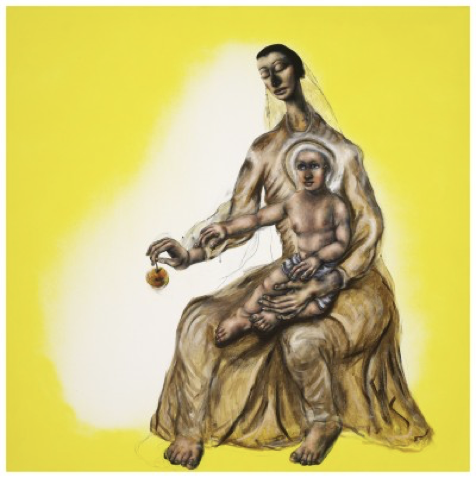
Madonna and child - Chris Gollon

And we do it not in our own strength. But because God so loved the world. So loved the world that God’s very self dwelt among us in flesh of our flesh. Taking the apple. 

The apple in our hand reflects our tendency to mess things up; the apple in the hand of Mary, as Jesus reaches out to take it, reflects God’s capacity to love and forgive.

Let us pray:

Lord, you have taught us that all our doings without love are nothing worth:
send your Holy Spirit and pour into our hearts that most excellent gift of love,
the true bond of peace and of all virtues,
without which whoever lives is counted dead before you.
Grant this for your only Son Jesus Christ's sake,
who is alive and reigns with you, in the unity of the Holy Spirit,
one God, now and for ever. Amen.


©  Julie Gittoes 2020


Tuesday, 16 July 2019

Wrestling of the heart

On a Sunday full of high profile sporting events, this is a sermon preached at Evensong on wrestling from Wimbledon to Jacob and the struggles of our hearts. 

The texts were Genesis 32:9-30; Mark 7:1-23

Simona Halep’s face beams from the front pages of the Sunday papers: she holds aloft the famous Venus Rosewater Dish; she’s fulfilled a dream her mum had when she about ten years old.


Yesterday, the 27 year old played near-flawless tennis to defeat Serena Williams. Williams, perhaps the game’s greatest player, paid tribute to her opponent’s tenacity and power saying ‘she really played out of her mind’.

This weekend is full of dreams being made, or lost. 

New Zealand pile pressure on England in the Cricket World Cup; Lewis Hamilton races his way into the record book; and back at Wimbledon, Federer wrestles with Djokovic.

Paul is particularly fond of sporting imagery: athletics, running, boxing.  Early today, my friend and church leader, Pete Greig, posted some tips for preachers on Facebook saying:  

When Moses served in the courts of Pharaoh, he was clearly playing tennis.

When Peter stood with the eleven, raised his voice and was bowled, he was presumably playing cricket.

And there’s Formula 1 in 2 Kings 9:20 ‘The driving is like that of Jehu son of Nimshi,’ cry the spectators. He drives like a maniac.


Perhaps he takes it a little too far into dad-joke territory;  but in Genesis we have an episode of wrestling and struggle which evokes the determination of today’s sportsmen and women. 

This nightlong wrestling bout is a life-changing encounter: his name is changed and his future is reshaped. The physical, spiritual and psychological struggle comes as he prepares to reconcile with the brother whom he deceived.

In the poem ‘Jacob Wrestles with the Angel’ [full text], the priest Malcolm Guite writes of Jacob’s fears: he dare not face his brother; he dare not look on his act of betrayal. Having sent his family and goods ahead of him, he is left alone on the river bank; wrestling with the embodiment of human dread and divine love.

Guite voices the poem for Jacob, but it could tell of all the things we wrestle with. He writes:

But in the desert darkness one has found me,
Embracing me, He will not let me go,
Nor will I let Him go, whose arms surround me,
Until he tells me all I need to know,
And blesses me where daybreak stakes its claim,
With love that wounds and heals; and with His name.

This strange wrestling - at first fighting God; then holding God close; being embraced by God, yet also emerging from the encounter both wounded and blessed. 

Jacob has seen God face to face; he has wrestled and prevailed. His new name bestows upon him a renewed call - to be reconciled; to establish a people; to be a blessing.


This wrestling isn’t over a match point or personal best: it is a wrestling that heals memories of hurt and failure; and a process of re-directing our hearts towards our first love. It is by fixing our attention on desire for God, and God’s love of us, that shapes our character, our decisions and our actions. 

Mark recounts an episode of wrestling with the stuff of the heart - and our human tendency to create rules which deflect our attention quite literally from the heart of the matter.

Whether it was the traditions of washing utensils; or the mechanism of dodging the responsibilities of human kinship; Jesus challenges us to align what we say with our lips in worship and how we behave towards others.

As the words of confession in Evensong remind us, ‘we have erred, and strayed’ from the ways of our almighty and merciful father, ‘like lost sheep’. We have followed too much ‘the devices and desires of our own hearts’. 

In neglecting God’s holy laws of love we have ‘left undone those things which we ought to have done; and we have done those things we ought not to have done’.

Jesus lists those things which mar God’s image in us - which harm our relationships and break our hearts: from pride to envy, wickedness to theft, fornication to slander. And yet, this is not the end of the story.

Like Jacob we wrestle with who we - and who we are called to be - in the intimate and physical proximity of God. However, we find that it is God who comes alongside us and is indeed with us.

The metaphorical dislocation of a  hip joint is painful; but it might just be the nudge into awareness of our faults and the the prompt to turn our hearts from what defiles to what gives life.

At every Evensong we wrestle with what we desire and what God desires of us. And in receiving afresh the assurance of forgiveness are hearts are opened, cleansed, set free. 


As the words of absolution put it: let us beseech God to ‘grant us true repentance, and his holy Spirit, that those things may please him, which we do at this present; and that the rest of our life hereafter may be pure, and holy; so that at the last we may come to his eternal joy’.

We ask this in the name of Jesus who is with us in our wrestling.

Our hearts long for something more: something beyond us; something that heals our broken hearts and which makes us open hearted to the other.

The God who forms us knows our hearts; the God who knows our hearts dwells with us in Christ; the God who dwelt with us sends the Spirit to restore our hearts that we might find peace and purpose.

As St Augustine eloquently put it in his Confessions, this is the end of our wrestling: Lord ‘Thou hast formed us for Thyself, and our hearts are restless till they find rest in Thee.'

© Julie Gittoes 2019