16 February 2025: 3rd before Lent - Jeremiah 17:5-10, 1 Corinthians 15:12-20 and Luke 6: 17-26
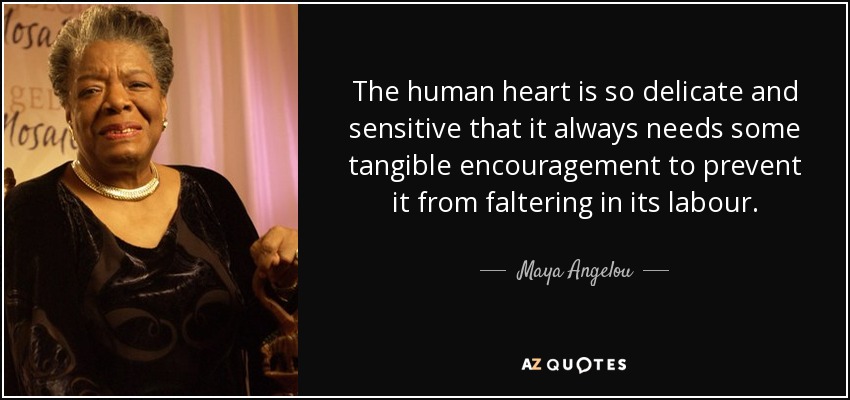
In Letter to my Daughter, Maya Angelou writes that: ‘The human heart is so delicate and sensitive that it always needs some tangible encouragement to prevent it from faltering in its labor. The human heart is so robust, so tough, that once encouraged it beats its rhythm with a loud unswerving insistency.’
Our hearts soar and break, flutter and ache. One moment we might be downhearted; the next our hearts are racing.
Research conducted by Professor David Paterson in Oxford explores the neurons around our heart enable it to work in tandem with the brain. The way we generate and process our thoughts and feelings is embodied, heart and emotions informing each other.
So sensitive, yet so robust: yet neither our own experience nor scientific knowledge can fully understand it. The prophet Jeremiah speaks of the way in which God tests and searches the heart, knowing its struggles, its secrets.
Devious and perverse are strong words for the prophet to use. Like Angelou, he knows too well how we might falter in our labour towards what is good. What will be the heart’s greatest love and surest hope? In what will it trust?
Jeremiah’s words find the ways of the Lord to be the surest source of encouragement for the hearts ‘loud unswerving insistency’. Our thoughts and actions reveal our heart’s desire and resting place.
Our hearts beat: full or empty, tender or cold. We find blessing in trusting the Lord’s commandments of love. As trees rooted by streams of water, there is no fear or anxiety but a rich fruitfulness.
Jeremiah contrasts that with the curse or woe to be found when we place our trust in mere mortals alone. Turning away from our creator and sustainer leaves us in a parched place. Is there an equivalent of arrhythmia in a spiritual desert?
A parched heart cannot bear fruit. It’s only a full heart that can empty itself. In the words of Jan Richardson’s poem Blessing That Becomes Empty As it Goes, this heart keeps ‘nothing for itself’. Its voice echoes and in emptying ‘it simply desires / to have room enough / to welcome / what comes.’
When it feels as if we have too much to do and too little time, Richardson suggests that we lay down the weight and instead lift our voices in laughter and in weeping. She says this in the face of weight and responsibility that we think is only ours to carry.
The weight of a world where we are fed and comfortable, and responsibility to feed those who go hungry now; the weight of grief and tears that are shed in silent unseen hours and the responsibility to bring comfort and joy.
There is something that stings about today’s gospel of blessings and woes. There are no soft corners to hide in. The delicate nature of faltering hearts is laid bare before the precarity of human lives.A tough beating heart breaks and aches and yet is to be unswerving as it moves from fullness to overflow, emptying to fill others.
It is demanding. Woe to those rich and full - our consolation has come, we will weep and hunger. Blessed are the poor, hungry and sorrowful - there will be laughter and plenty; God’s ways, God’s kingdom, is already with you.
Luke tells us that Jesus has come down to a level place. Immediately before this moment, he’d been alone all night, praying on the mountainside. At day break, he calls the 12 disciples and they immediately find themselves by a heaving crowd. A multitude in number and in need.
They come to hear and to be healed, the troubled seeking his touch. Jesus’ power pulses through the people: a word, a gesture bringing life and wholeness.
Then he pauses and looks up. He meets the eyes of his disciples and tells them of a world reordered. Did their hearts skip a beat or beat faster? Perhaps they, like us, tried to edit or smooth out the challenge; to soften the sting.
Jesus breaks the assumption that wealth, privilege and comfort is a sign of God’s blessing. In Matthew’s gospel, we hear of hunger and hungering for what is righteous. Here, Luke reveals the significance of that imperative for change by showing us where God’s heart is.
God’s heart goes to the point beyond material safety net. It goes to the ache of grief, and hunger and poverty; it goes to need and margins, to where life is precarious. God’s heart goes there and promises more.
So how do we respond? Do our human hearts falter in guilt or soar with hope?
This is why context matters, everything that Jesus has just done speaks of healing, freedom, abundance and joy. He heals. What he goes on to say is spoken from the heart of God which extends to all.
Rather than judging he paints a picture when might stir our hearts - so that they might beat with God’s rhythm of a loud unswerving instency for justice and mercy, compassion and kindness.
That change of heart might begin with an awareness of the consolations we receive in life: the friendships, stability, comfort or enjoyment we find. Our hearts might begin to notice what they ache for: the pains or sorrows we carry, the things that aren’t sitting right with us, the change we want to see.
As we become aware of the grace we have received with thanks and also the grace we need be it patience or forgiveness, then our hearts are inclined to turn outwards: to see beyond the limitations of our comfort or the snares of our fears.
Jesus is helping us to grasp something of God’s priorities - and the hope of God’s promises. He invites us to pay attention - to go beyond our circumstances and to find in each other something we might need to learn.
The blessings we have keep nothing for itself - we are another’s comfort and they might be our joy.
Letting go of the weight of the things which become woes - to be reminded that no one is forsaken, or forgotten; to receive from others the truth that we have nothing but God’s love. To trust not in mortals - or wealth - but in the Lord who desires us, who grafts us into his heart.
This letting go is also a making way. Only when we know in the hollow or our heart what true blessing and woe is, can we truly live.
Paul reminds us of that in his letter to the Corinthians: our bodies are connected to each other in Christ’s broken and risen body. He is the first fruits of new, abundant and eternal life; the one who defeats death and draws to Godself all that is.
Until that moment when God is all in all, we remain connected as bodies within the Body. We break bread in thanksgiving, drawn into communion around one table to serve one world.
Our bodies and lives are deeply intertwined - living and departed, visible and invisible. Love breaks and dies and lives. The bread we break and taste gets inside of us; it feeds us with a love that pulses through our veins and beats in our hearts.
We are in the words of Richardson, to: ‘do this / until you can feel / the hollow in your heart / where something / is letting go, / where something / is making way.’
May that “something” strengthen faltering hearts in our labours of love; and soften hardened hearts to beat to the rhythm of a world renewed by God’s justice and mercy. May that divine loud unswerving insistency defeat devious hearts, comfort grieving hearts, turning them back to love.